
-
 2 colours
 -
 2 colours
 -
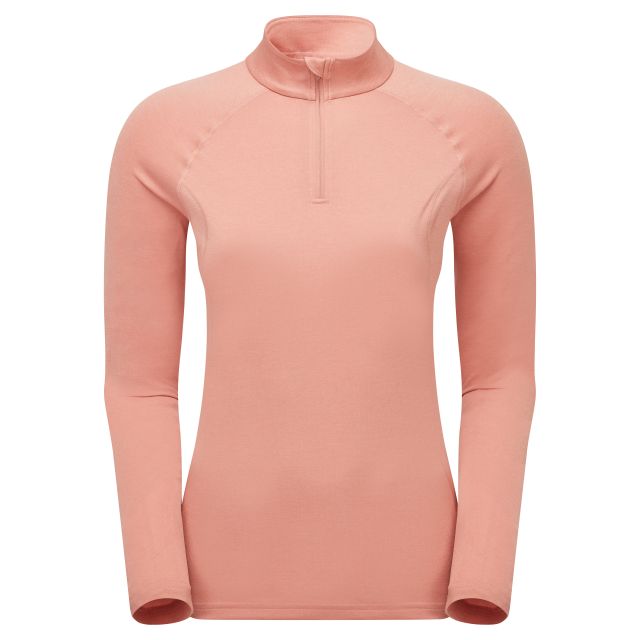 3 colours
 -

-

-

-

-

-

-
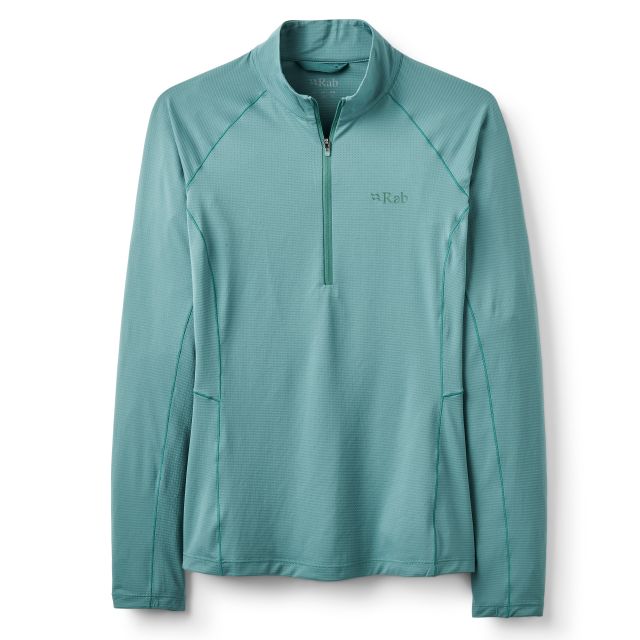 4 colours
 -
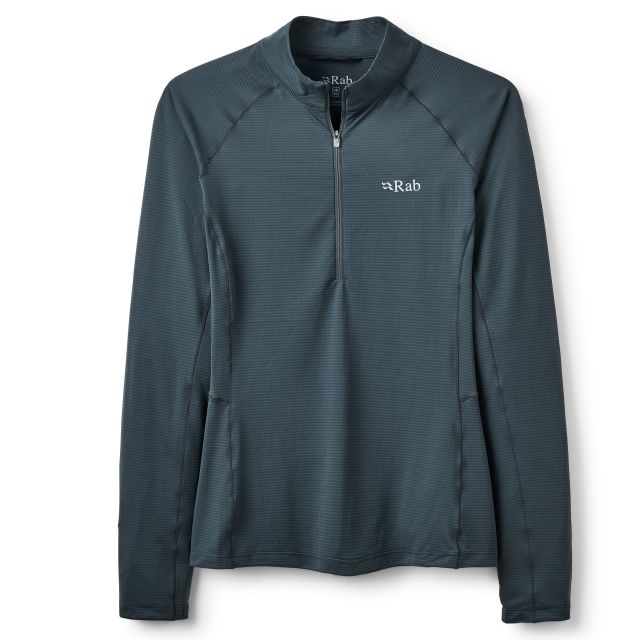 4 colours
 -
 2 colours
 -
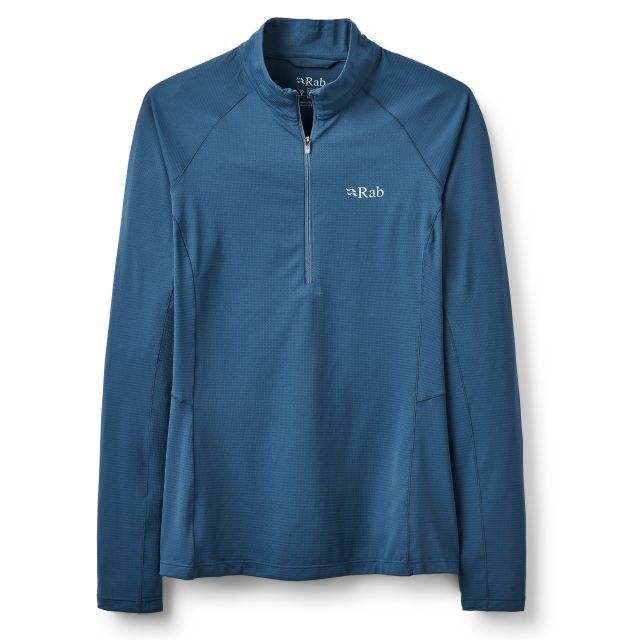 4 colours
 -
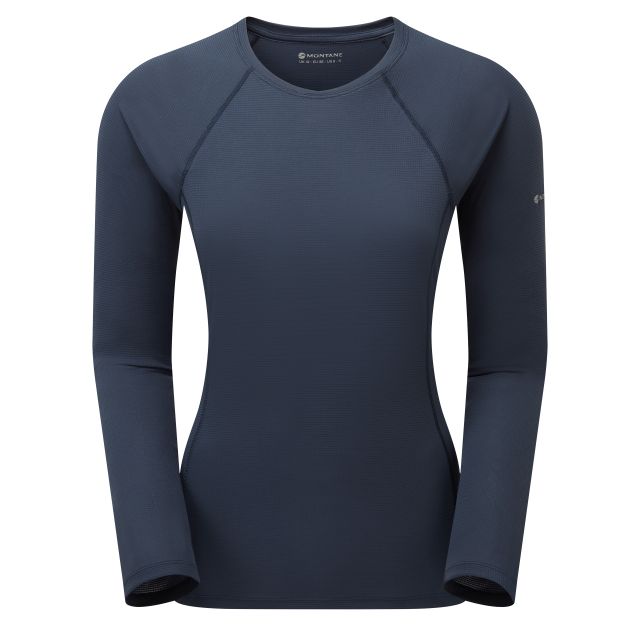
-
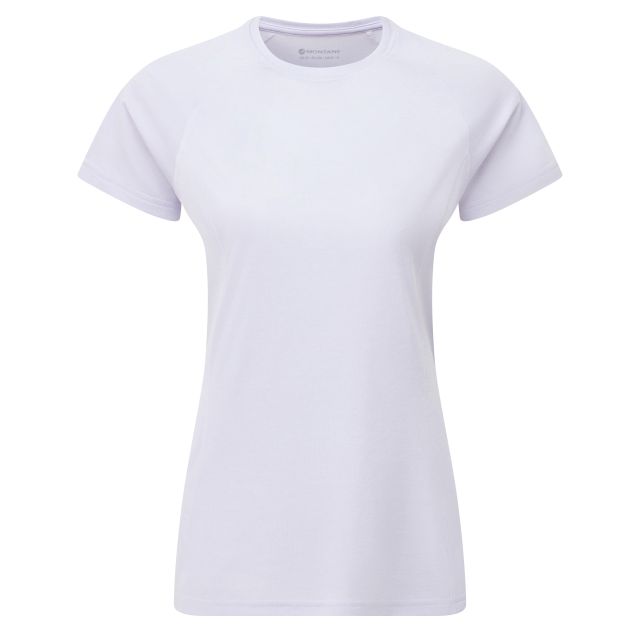 4 colours
 -
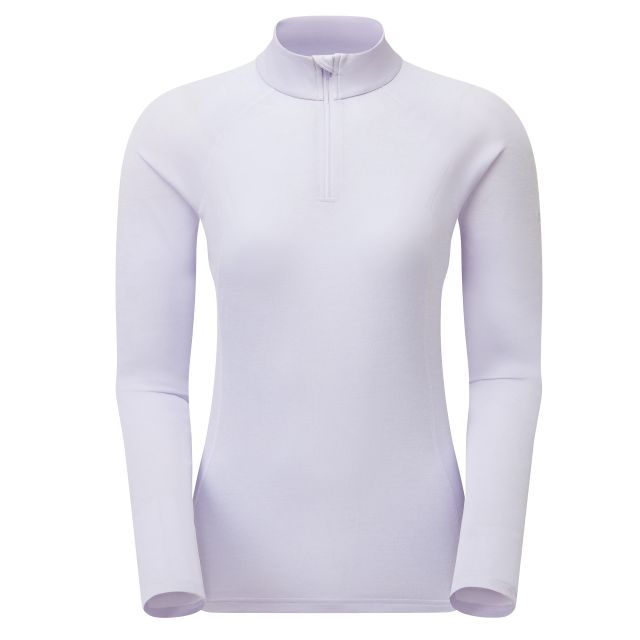 3 colours
 -

-

Base Layer & Thermal Tops For Women: Essential Warmth For Every Adventure
Discover the ultimate warmth and comfort with our collection of women's base layer and thermal tops, meticulously crafted to keep you cosy in even the coldest of conditions. From long sleeve thermal tops to leggings made from premium fabrics like merino wool, our base layers offer unparalleled stretch and a secure fit for maximum mobility.
Our range features a variety of styles, from tank tops to long-sleeves, all designed with breathable fabrics to ensure you stay warm without overheating. Whether you're gearing up for a high-altitude trek or simply braving the winter chill, our base layers provide optimum temperature regulation to keep you comfortable throughout your adventure.
Find women' s thermal tops from renowned brands such as Icebreaker, Odlo, The North Face, Berghaus, and more. Shop our range of women's thermal t-shirts and baselayers online today and elevate your outdoor experience with unbeatable warmth and performance.
Women's base layers come in a wider variety of constructions than most people expect, and the right category depends primarily on the activity and the cold weather conditions you face most often.
- Lightweight base layers: At 100 to 150 grams per square metre, lightweight women's base layers suit warm weather active use and high-output hiking where breathable moisture management and a cool and comfortable second skin feel are the priority. The most versatile option for active year-round layering.
- Midweight base layers: Sitting at 200 to 210 grams per square metre, midweight thermal tops are the most versatile choice for standard cold weather outdoor activity including hiking, skiing, and everyday winter use. A reliable foundation layer for most cold weather pursuits.
- Heavyweight thermal tops: At 250 grams per square metre and above, heavyweight women's thermals prioritise maximum insulation in freezing temperatures, suiting snow sports, mountaineering, and low-exertion cold weather activity where staying warm takes priority over breathability.
- Merino wool base layers: Natural temperature regulation and inherent odour resistance make merino wool women's base layers the preferred choice for multi-day adventures and varied cold weather conditions.
- Synthetic base layers: Polyester and nylon fabrics with superior quick drying and moisture wicking performance make synthetic women's thermal tops the most practical choice for high-intensity activities.
Whatever the cold weather condition or winter activity planned, the selection of women's base layer tops at Nevisport has every style, weight, and fabric covered for every cold weather adventure.
Materials and How They Work
Two materials dominate the base layer market for good reason, and understanding what each one does in practice makes it considerably easier to choose the right option for your activity.
- Merino wool: Naturally temperature regulating and retaining its insulating properties even when damp, merino wool suits women's base layer tops for multi-day trips, stop-and-start activities, and varied cold weather conditions.
- Polyester and nylon synthetics: Quick drying, durable, and excellent at intense moisture management, synthetic fabrics suit women's thermal tops for high-intensity activity in cold conditions.
- Raglan sleeves and gusseted underarms: Many women's base layers incorporate raglan sleeves and gusseted underarms that improve range of motion and prevent chafing during heavy movement, making them more comfortable and practical for active use.
- Flat and offset seams: Flat and offset seams prevent chafing, particularly under heavy backpack shoulder straps during hiking and trekking, ensuring comfortable and irritation-free wear.
These materials and construction details create women's base layers that offer reliable warmth, moisture wicking, and versatility.
A few specific details consistently separate base layers that perform well across demanding cold weather use from those that fall short when conditions get harder or activity levels change.
- Base layer weight: Matching the weight to your planned activity ensures the right balance of warmth, breathability, and moisture management.
- Snug and athletic fit: A snug athletic fit allows the fabric to efficiently pull moisture off the skin and regulate temperature without restricting movement, and this is one of the most important practical considerations when choosing your women's base layers.
- Long sleeved styles: Long sleeved women's base layer tops provide full arm coverage and insulation for cold weather layering beneath mid layers and waterproof shells, keeping you warm during cold weather hiking, skiing, and winter outdoor activity.
- Stretch fabrics: Stretch fabrics allow a full range of movement during active cold weather pursuits including skiing, climbing, and hiking without the base layer pulling or restricting movement beneath heavier outer layers.
Each of these features contributes to a women's base layer top that offers reliable warmth, breathable moisture wicking performance, and comfortable layering versatility.
Why Warmth and Moisture Wicking Performance Matter
Women's base layers need to manage moisture effectively, regulate body temperature, and stay warm during cold weather activity across varying intensity levels, all while remaining comfortable. Understanding how different weights and fabrics perform helps you choose women's base layer top that meets your needs.
- Moisture wicking and temperature regulation: A properly fitting women's base layer acts as a second skin, drawing moisture away from the skin to the outer fabric surface where it evaporates, keeping you dry and regulating your temperature throughout the day.
- Warmth without bulk: Effective women's thermals provide reliable insulation and warmth without adding unnecessary bulk to the layering system, allowing mid layers and outer shells to fit comfortably over the base layer without restricting movement.
- Layering compatibility: Women's base layers are designed to work as the foundation of a complete three-layer system, pairing naturally with mid layers such as fleeces and hoodies and outer waterproof shells to provide adaptable warmth and moisture management.
- Odour resistance: Natural merino wool odour resistance keeps women's base layer tops fresh across multiple days of wear during extended outdoor adventures and multi-day trekking, while synthetic options with antimicrobial treatments provide practical freshness during high-intensity activity.
The right combination of warmth, moisture wicking performance, layering versatility, and odour resistance ensures your women's base layer tops keep you comfortable and warm.
Activity type and expected conditions point clearly towards different base layer solutions, and matching the right weight and material to your planned use makes a genuine difference to comfort and performance on the mountain or the trail.
- Hiking and cold weather outdoor use: Midweight merino wool or synthetic women's base layers suit cold weather hiking and general outdoor activity, providing reliable moisture wicking performance and warmth as the foundation of a complete cold weather layering system.
- Skiing and snowboarding: Midweight to heavyweight thermal tops suit skiing and snowboarding, providing sufficient insulation and moisture management during varied intensity snow sports activity, with merino wool options offering natural odour resistance across full days on the mountain.
- High-intensity activities: Lightweight synthetic women's base layer tops suit trail running, climbing, and high-output cold weather activity.
- Multi-day trekking and expeditions: Merino wool base layers suit extended adventures where warmth even when damp, natural odour resistance, and comfort across multiple days of wear without washing are equally important across changing conditions.
Nevisport stocks women's base layer tops and women's thermal range from Montane, Rab, Helly Hansen, Icebreaker, and Haglofs across all of these categories, so you can find the right base layer for every cold weather adventure and active outdoor pursuit.
-
What is the best fabric for women's base layer tops?
- Merino wool offers natural temperature regulation, warmth even when damp, and odour resistance, making it the preferred choice for multi-day adventures and stop-and-start cold weather activity. Synthetic polyester and nylon blends provide faster drying performance and superior moisture wicking for high-intensity skiing, trail running, and active cold weather use where rapid sweat management takes priority over natural comfort and freshness.
-
Are women's base layer tops suitable for skiing and snowboarding?
- Midweight and heavyweight women's thermal tops provide the insulation and moisture wicking performance needed to stay warm and dry during varied intensity snow sports activity on the mountain. Merino wool options are particularly well suited to skiing and snowboarding due to their natural temperature regulation, odour resistance across full days of winter sports use, and ability to retain warmth even when damp during stop-and-start activity on the slopes.
-
Are women's base layer tops moisture wicking?
- Women's base layers are built around moisture wicking performance, drawing sweat away from the skin and allowing it to evaporate at the outer fabric surface to keep you dry during sustained cold weather activity. Synthetic options wick fastest and dry quickest for high-intensity use, while merino wool manages moisture alongside natural odour resistance and temperature regulation across more varied cold weather conditions and multi-day adventures.
-
What is the difference between a base layer and thermals?
- The terms are often used interchangeably, but thermals typically refers to heavier insulating garments designed purely for warmth in cold or static conditions, while base layers span a broader range of weights from lightweight active options through to heavyweight thermal tops. A modern base layer is designed to manage moisture and regulate temperature across varying activity levels as part of a complete layering system, rather than simply providing insulation as a standalone warm garment.
